
‹
›
‹
›
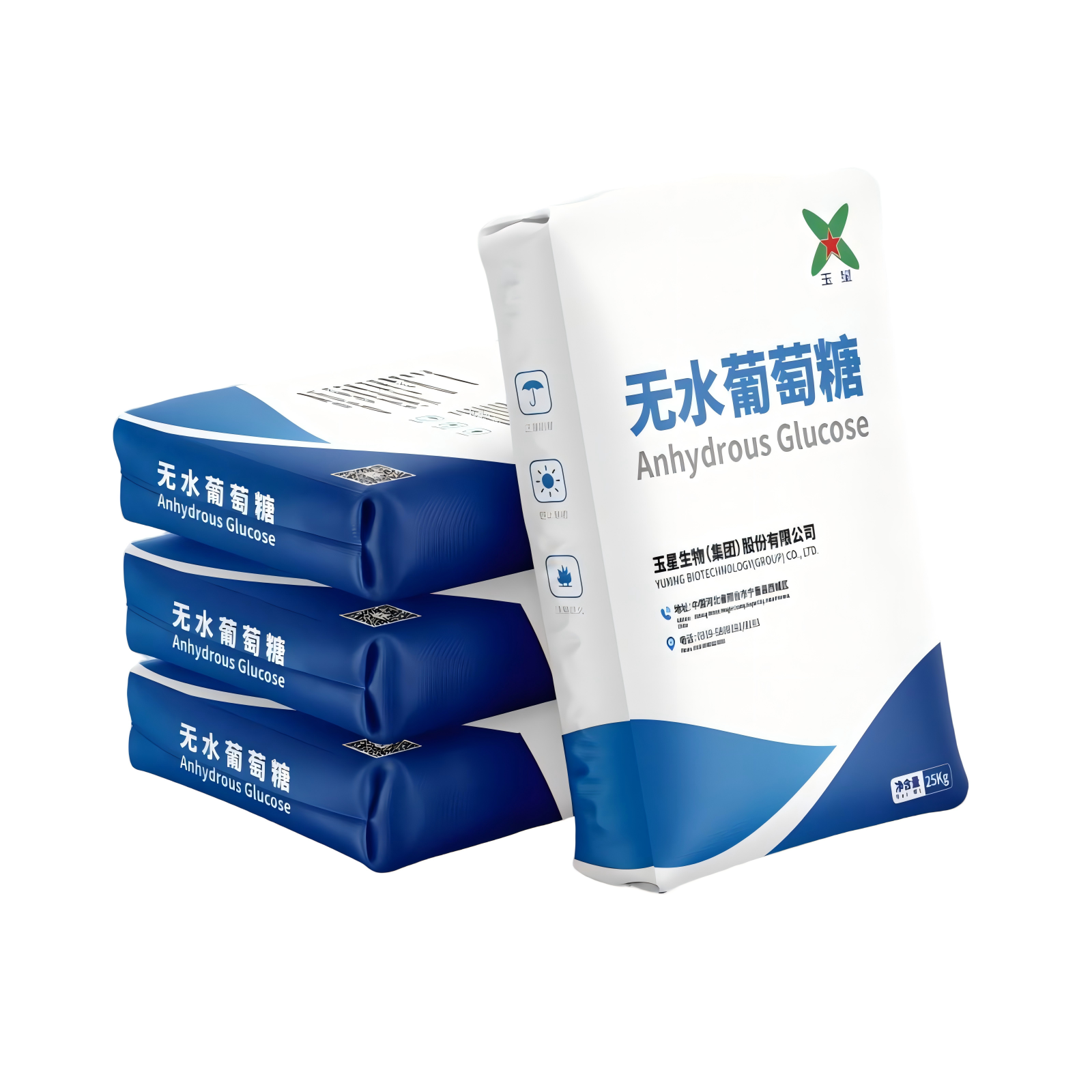
Anhydrous Dextrose
1. Chemical Definition:
Anhydrous Dextrose, chemically known as D-glucose, is a simple sugar (monosaccharide) and a fundamental carbohydrate.
Its molecular formula is C₆H₁₂O₆. As the name "anhydrous" suggests, it is a highly purified, crystalline form of glucose that contains no water molecules
(hydrate water) in its crystal structure. This distinguishes it from glucose monohydrate, which contains one molecule of water per glucose molecule.
2. Key Characteristics:
Purity: Typically exceeds 99.5% purity.
Appearance: A white, crystalline powder or granules.
Solubility: Highly soluble in water.
Sweetness: Approximately 70-80% of the sweetness of sucrose (table sugar).
Hygroscopicity: It is mildly hygroscopic, meaning it can absorb moisture from the air if not stored properly.
Energy Source: It is a direct source of energy for living organisms.
3. Production Process:
Anhydrous Dextrose is primarily produced through the enzymatic hydrolysis of starch. Common sources of starch include corn, wheat, and potatoes.
The process involves breaking down the long chains of starch into individual glucose molecules. The resulting glucose syrup is then further purified, concentrated,
and crystallized under controlled conditions to form anhydrous crystals.
4. Primary Applications:
Pharmaceutical Industry:
Intravenous Injections: Used as an energy source in rehydration therapy and parenteral nutrition (IV drips) for patients unable to take food orally.
Tablet Excipient: Serves as a diluent or binder in the formulation of tablets.
Tonicity Agent: Helps adjust the osmotic pressure of injectable solutions to match that of bodily fluids.
Food & Beverage Industry:
Fermentable Sugar: Used in brewing, baking, and winemaking as a readily available sugar for yeast fermentation.
Sweetener: Provides a clean, quick-release sweetness in confectionery, desserts, and sports drinks.
Maillard Reaction: Contributes to browning and flavor development in baked goods.
Bulking Agent: Adds volume and texture to food products.
Sports Nutrition:
Rapid Energy Replenishment: A key ingredient in energy gels, drinks, and powders to quickly restore glycogen levels and combat fatigue during and after intense physical exertion.
Industrial Applications:
Used as a raw material or nutrient medium in various biotechnological fermentation processes, such as the production of organic acids, amino acids, and antibiotics.
5. Advantages:
Its key advantage lies in its rapid absorption and metabolism by the body, providing an immediate source of energy. In industrial applications,
its high purity and predictable chemical behavior make it a reliable ingredient.
Get a Free Quote