
‹
›
‹
›
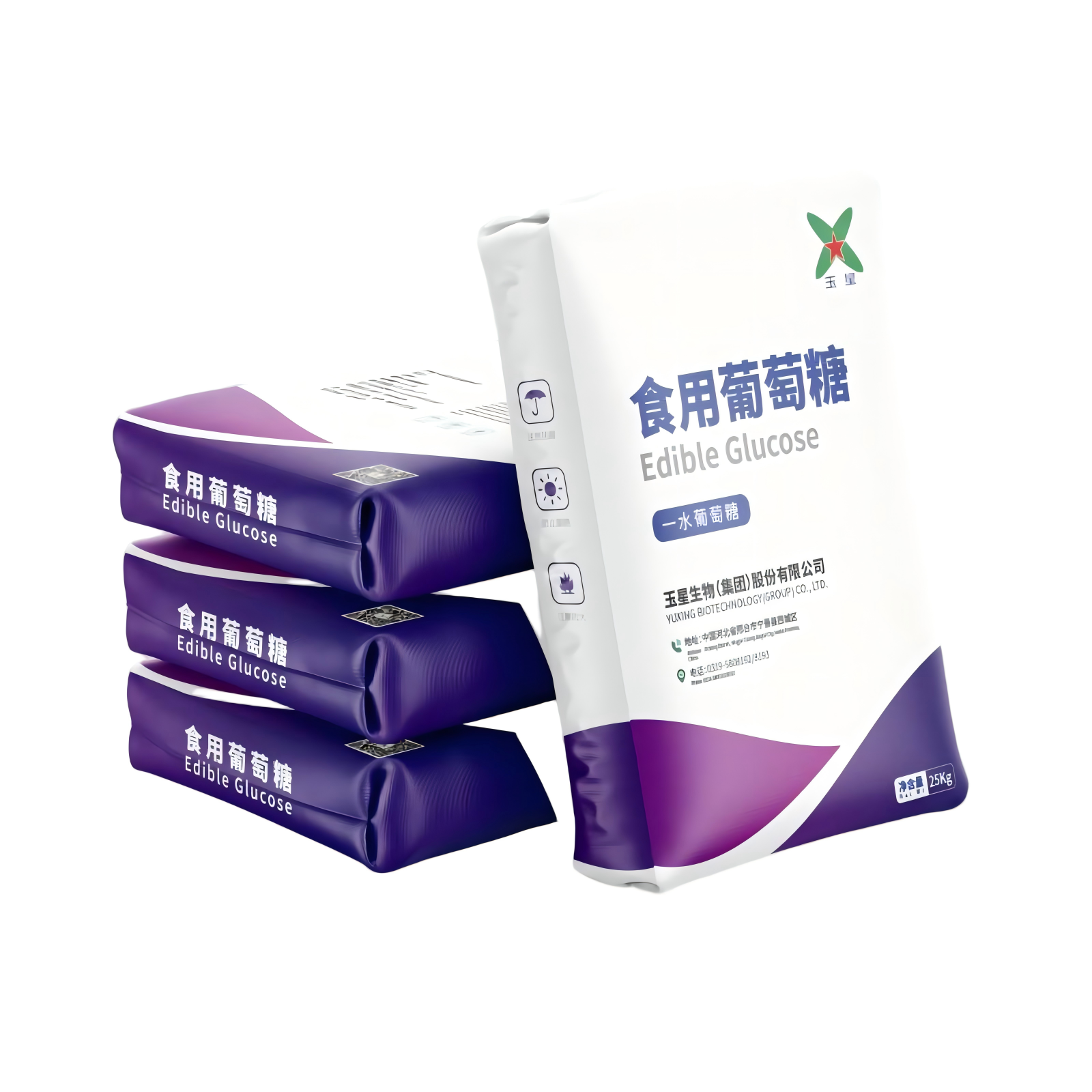
Dextrose Monohydrate (Food Grade) is a high-purity white crystalline powder produced from premium corn starch.
Known for its clean sweetness, excellent solubility, and stable performance, it is widely used across the food, beverage, pharmaceutical and fermentation industries.
⭐ What Is Dextrose Monohydrate?
Dextrose Monohydrate is the crystalline form of glucose containing one molecule of water. With around 70–75% of the sweetness of sucrose,
it provides mild sweetness without altering product flavor profiles. Its stable structure and rapid absorption also make it ideal for nutrition and energy applications.
⭐ Key Features
High purity and consistent quality
Smooth sweetness with no aftertaste
Fast solubility in water
Non-GMO raw materials
Allergen-free, gluten-free and safe for global applications
Suitable for food, pharmaceutical and fermentation use
⭐ Technical Specifications
Appearance: White crystalline powder
Purity: ≥ 99.5%
Moisture: ≤ 9.5%
Solubility: Easily soluble in water
Mesh size: 20–80 mesh (customizable)
Package: 25kg kraft bags with PE liner
Shelf life: 24 months
Certificates: ISO, HACCP, Kosher, Halal
⭐ Applications
Food & Beverage Industry

Bakery and pastries
Confectionery and candies
Dairy products
Beverages & energy drinks
Ice cream and frozen desserts
Pharmaceutical Industry
Tablet filler and binder
Oral rehydration solutions
Nutritional supplements
Fermentation & Industrial Use
Amino acids production (lysine, threonine etc.)
Vitamins
Organic acids (citric acid, lactic acid)
Yeast fermentation
Animal Nutrition
Energy source for feed formulations
⭐ Why Choose Our Dextrose Monohydrate?
We are an experienced manufacturer and exporter specializing in Maltodextrin, Dextrose Monohydrate, Aspartame, Sorbitol, and other food ingredients.
Choosing us means:
Reliable quality from certified facilities
Competitive factory prices
Stable supply and fast delivery
Professional export documentation
Strong presence in the USA, South America, Middle East and Asia markets
⭐ Contact Us
For technical data sheet (TDS), COA, samples or quotations, please contact us anytime. We support OEM packaging and customized specifications.
Get a Free Quote