
Products
‹
›
‹
›
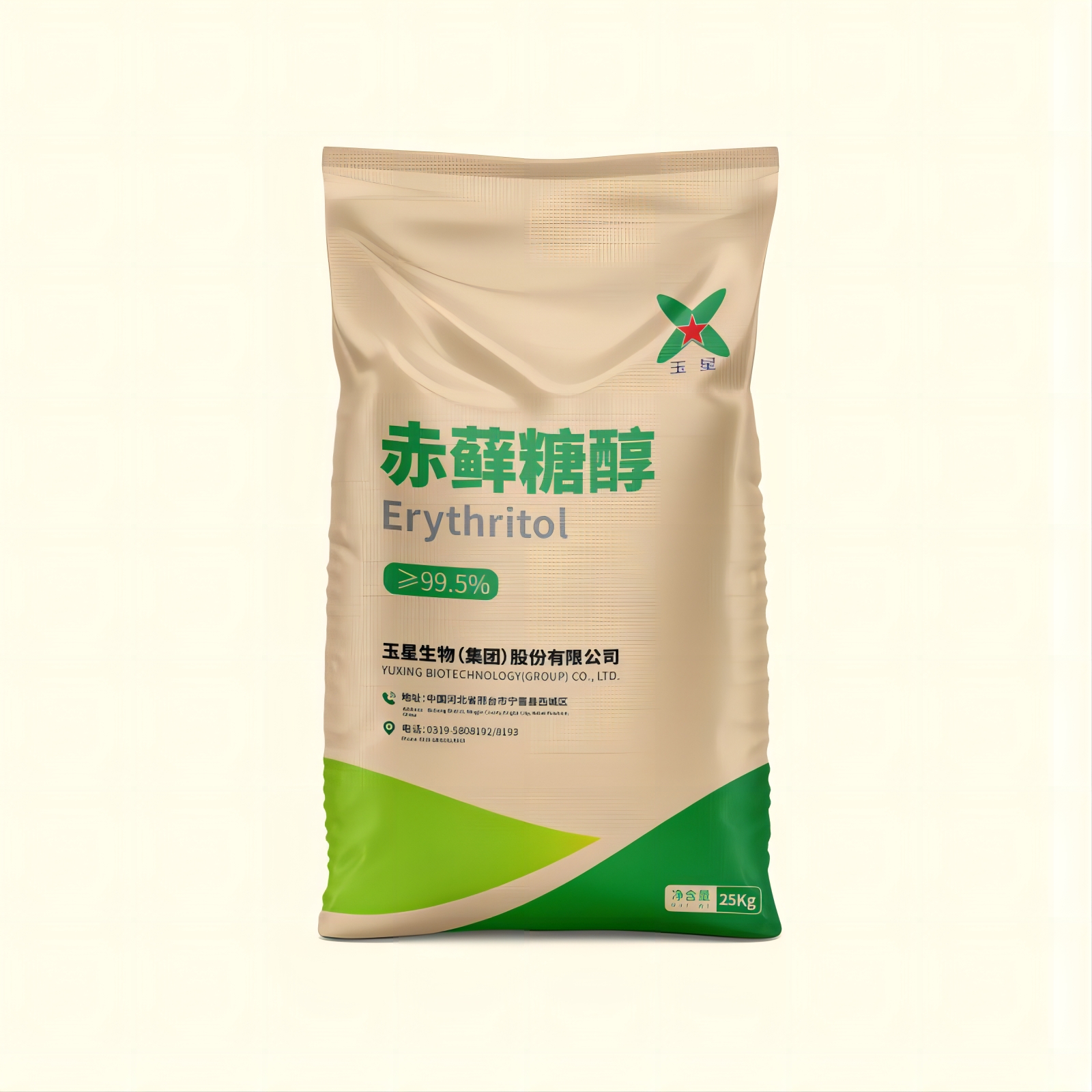
Comprehensive Overview: Food-Grade Erythritol
What is Erythritol?
Erythritol is a four-carbon sugar alcohol (polyol) that is used as a bulk sweetener. It is classified as "food-grade" to signify its high purity and suitability for human consumption in various food and beverage applications.
Source and Production:
While present in nature (e.g., in pears, grapes, mushrooms, and fermented foods like soy sauce and wine), the erythritol used commercially is typically produced by fermenting glucose derived from non-GMO corn or wheat starch with a natural yeast, Moniliella pollinis. This process is similar to the way yogurt or vinegar is made.
Key Technical Properties and Benefits:
Sweetness and Taste Profile: Erythritol is approximately 70% as sweet as sucrose (table sugar). It has a clean, sweet taste with no bitter or chemical aftertaste, which is common with some high-intensity sweeteners. It often exhibits a mild cooling sensation on the tongue, similar to mint, which is desirable in certain applications like gum and mints.
Caloric Value and Metabolism: It is considered a zero-calorie sweetener. The human body lacks the enzymes to break it down, so over 90% of it is absorbed into the bloodstream, not metabolized, and then excreted unchanged in the urine. This unique metabolic pathway is the reason for its near-zero calories and excellent digestive tolerance.
Glycemic Index and Dental Health:
Glycemic Index (GI): 0. It does not raise blood sugar or insulin levels, making it an excellent sweetener for people with diabetes, obesity, or those following ketogenic and low-carb diets.
Non-Cariogenic: Oral bacteria cannot metabolize erythritol, so it does not produce acids that cause tooth decay. It is actively approved and promoted as "tooth-friendly."
Digestive Tolerance: Due to its high absorption rate in the small intestine, very little erythritol reaches the large intestine where it could cause laxative effects (a common issue with other polyols like maltitol or sorbitol). It is generally well-tolerated, even at higher doses.
Common Applications in the Food Industry:
Sugar-free and "diet" beverages
Confectionery: Chocolates, hard candies, chewing gum
Baked Goods: Cookies, cakes, and breads (often blended with other sweeteners to increase sweetness and provide browning)
Dairy Products: Yogurt, ice cream
Table-top sweeteners (granular and powdered forms)
Pharmaceutical and oral care products (e.g., sugar-free syrups, toothpaste)
Get a Free Quote