
‹
›
‹
›
Sorbitol Powder (Food Grade)
E420 Sweetener & Humectant for Food Applications
Product Overview
Sorbitol Powder is a widely used food additive (E420) produced from glucose through hydrogenation. It functions as a sweetener, humectant, stabilizer, and sugar substitute, offering low sweetness, smooth taste, and excellent moisture-retention properties.
Sorbitol powder is especially suitable for sugar-free, reduced-sugar, and functional food formulations, and is widely applied in confectionery, bakery, beverages, and health foods.
Key Advantages for Food Use
Food Grade quality, compliant with food safety standards
Mild sweetness (about 60% of sucrose) with clean taste
Excellent moisture retention and texture improvement
Non-cariogenic, suitable for sugar-free foods
Stable under heat and a wide pH range
Good flowability, easy to handle and dose
Food Applications
Confectionery & Candy
Sugar-free candies and lozenges
Chewing gum
Chocolate and coated products
Bakery Products
Cakes, bread, and fillings
Cookies and biscuits
Moisture retention and freshness improvement
Beverage & Powdered Drinks
Functional beverages
Instant drink mixes
Low-sugar and sugar-free formulations
Health & Functional Foods
Diabetic-friendly foods
Nutritional bars and tablets
Vitamin and mineral preparations
Functional Roles in Food Formulation
Sorbitol Powder provides multiple functional benefits:
Sweetener – low-calorie sugar substitute
Humectant – prevents drying and crystallization
Texturizer – improves mouthfeel and softness
Stabilizer – enhances product consistency
Carrier – for flavors, vitamins, and actives
Technical Data Sheet (Food Grade)
Packaging & Storage (Food Safety)
Packaging
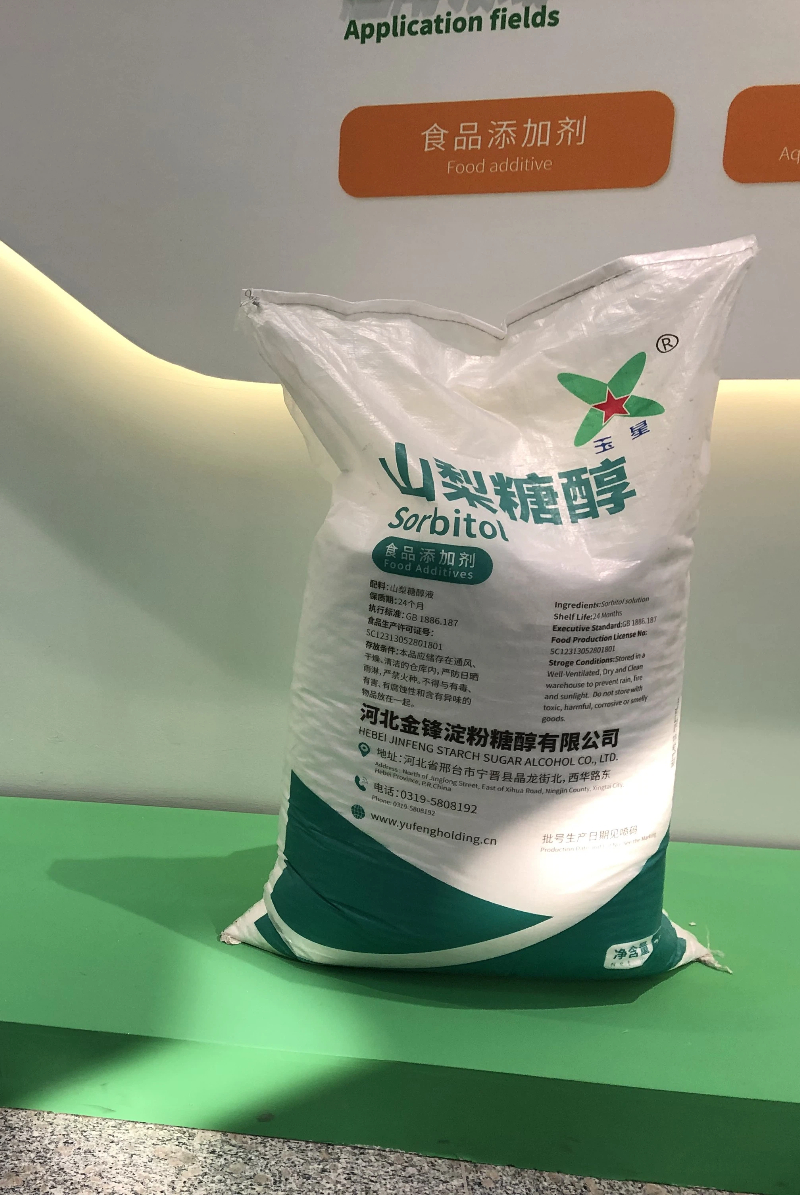
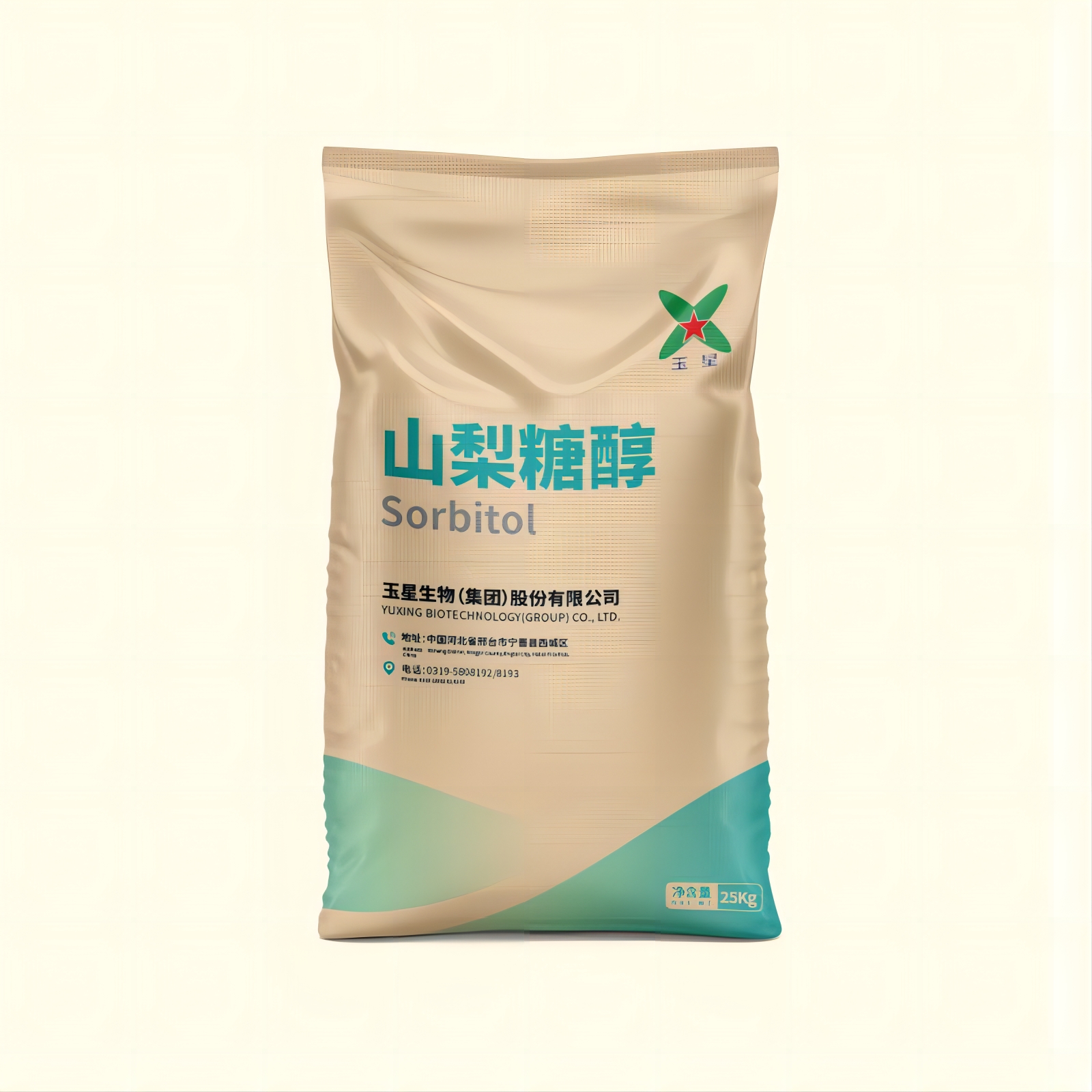
25 kg food-grade paper bag with PE inner liner
Customized bulk packaging available
Storage
Store in a cool, dry, and clean environment
Keep tightly sealed to avoid moisture absorption
Shelf life: 24 months
Why Choose Our Sorbitol Powder?
Consistent particle size and flowability
Strict food safety and quality control
Stable long-term supply capability
Competitive pricing for bulk orders
Suitable for global food markets
Get a Free Quote