
What Is Anhydrous Dextrose?
Anhydrous dextrose is a highly purified form of glucose that contains no water of crystallization. It is produced by removing all moisture from dextrose monohydrate,
resulting in a high-glucose-content carbohydrate ingredient widely used in food, pharmaceutical, and industrial applications.
Compared with dextrose monohydrate, anhydrous dextrose has higher sweetness, faster solubility,
and greater energy density, making it suitable for formulations that require precise control over moisture content.
Chemical Properties of Anhydrous Dextrose
Chemical name: D-Glucose

Molecular formula: C₆H₁₂O₆
CAS number: 50-99-7
Appearance: White crystalline powder
Moisture content: ≤ 0.5%
Sweetness: About 70–75% of sucrose
Solubility: Highly soluble in water
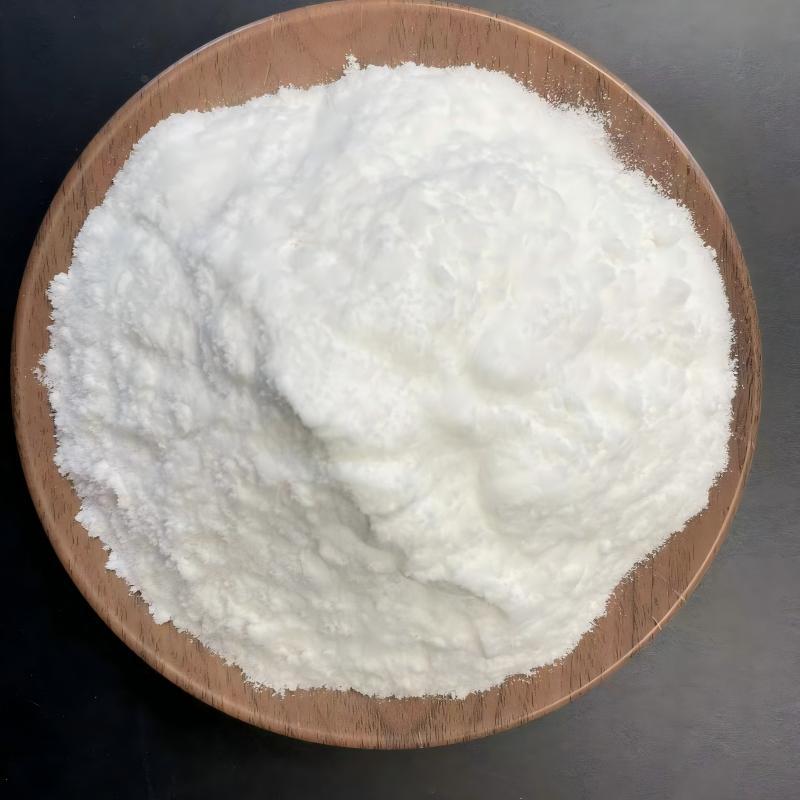
Due to its anhydrous nature, this type of dextrose offers improved stability and longer shelf life in dry formulations.
Anhydrous Dextrose vs. Dextrose Monohydrate
Main Uses of Anhydrous Dextrose
1. Food and Beverage Industry
Anhydrous dextrose is widely used as a sweetener, energy source, and fermentation substrate, including:
Baked goods
Confectionery
Sports nutrition powders
Instant beverages
Dairy products
Its rapid absorption provides quick energy, which is especially beneficial in energy drinks and nutrition products.
2. Pharmaceutical Applications
In pharmaceutical manufacturing, anhydrous dextrose is commonly used as:
A tablet excipient
A binder or filler
A carrier for active ingredients
Its low moisture content helps maintain drug stability and prevents degradation caused by excess water.
3. Dietary Supplements & Sports Nutrition
Athletes and fitness brands prefer anhydrous dextrose because it:
Delivers fast glucose replenishment
Supports post-workout recovery
Improves insulin response for nutrient transport
It is frequently found in pre-workout, intra-workout, and recovery formulas.
4. Industrial & Fermentation Use
Anhydrous dextrose is also used in:
Fermentation processes
Biotechnology applications
Chemical synthesis
Animal feed formulations
Its high purity ensures consistent performance in industrial processes.
Benefits of Anhydrous Dextrose
✅ High purity and consistent quality
✅ Fast energy release
✅ Excellent solubility
✅ Low moisture content
✅ Suitable for sensitive formulations
These advantages make it an ideal carbohydrate ingredient across multiple industries.
Packaging and Storage
Anhydrous dextrose is typically packed in:
25 kg kraft paper bags with PE lining
Big bags for bulk supply
Storage conditions:
Keep in a cool, dry place
Avoid direct sunlight
Seal tightly to prevent moisture absorption
Is Anhydrous Dextrose Safe?
Yes. Anhydrous dextrose is generally recognized as safe (GRAS) when used within regulated limits. It complies with international standards such as:
FCC
USP
EP
BP
Always follow local food and pharmaceutical regulations for proper usage.
Conclusion
Anhydrous dextrose is a versatile, high-performance glucose ingredient with wide applications in food, pharmaceuticals, sports nutrition, and industry. Its low moisture content, high energy value, and excellent stability make it a preferred choice for manufacturers seeking precision and quality.
If you are looking for a reliable carbohydrate source for your formulations, anhydrous dextrose is a proven and effective solution.
Awesome! Share to: